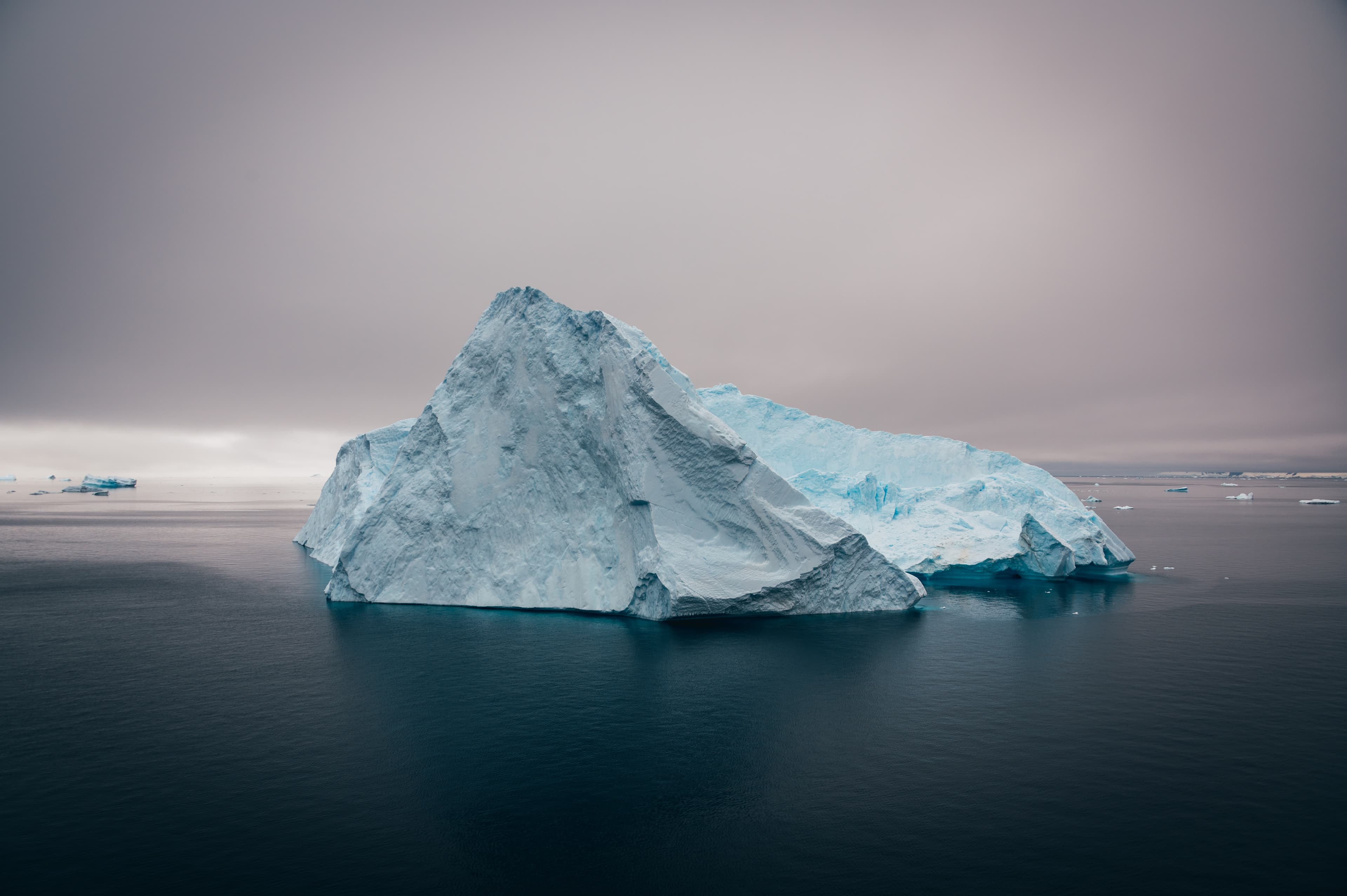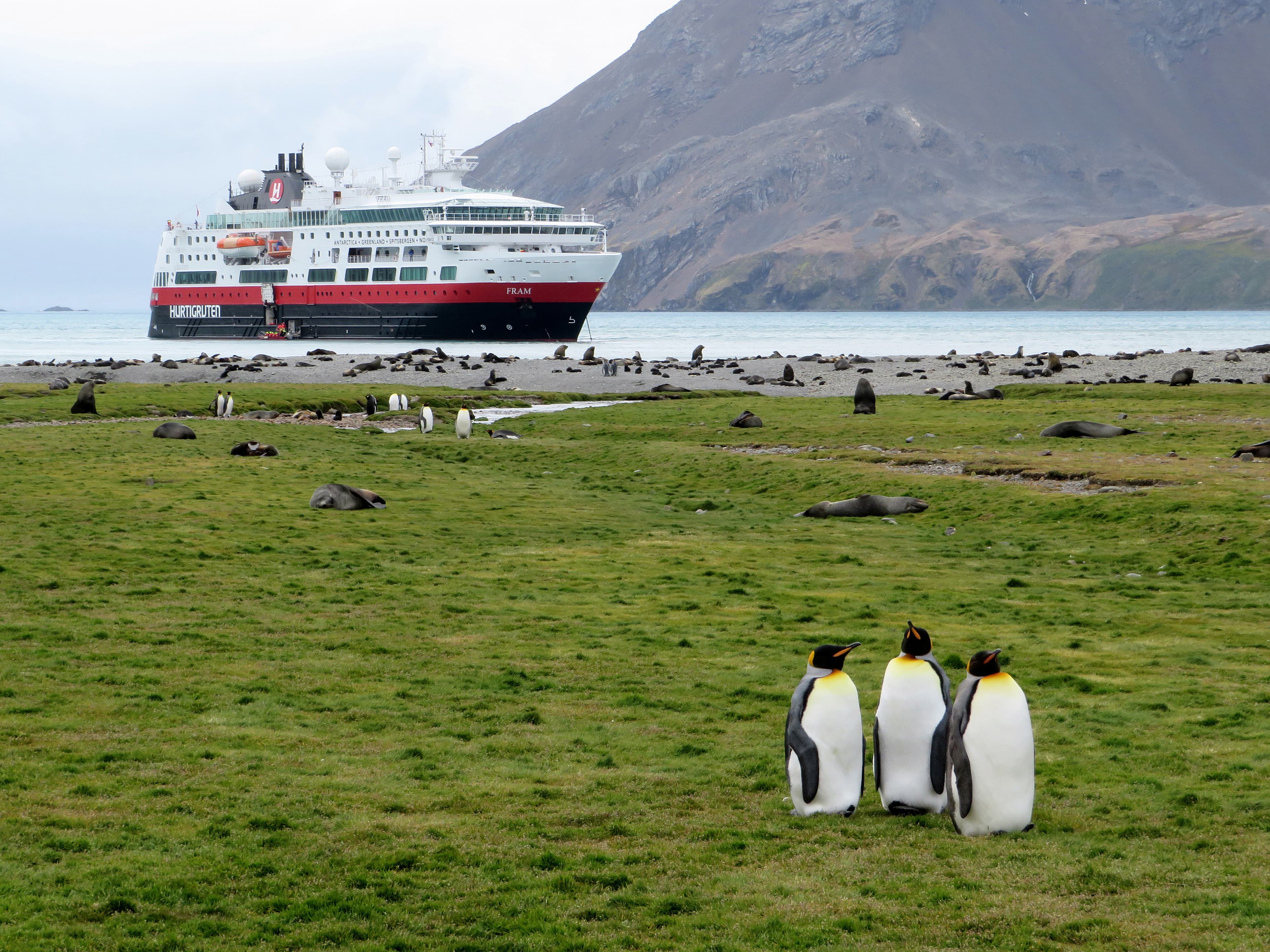
South Georgia changes the emotional scale of a polar journey. The Peninsula astonishes you with ice; South Georgia astonishes you with life.
A different category of place
South Georgia sits 1,400 kilometres east-southeast of the Falkland Islands, deep in the Southern Ocean. It is mountainous, glaciated, and roughly 170 kilometres long. Its beaches, in season, can hold three hundred thousand king penguins. Elephant seals, fur seals, wandering albatross, and giant petrels fill the spaces in between.
There is no way to prepare a traveller adequately for the density. Photographs help. Films help less than you would expect. The sound, the smell, the sheer audacity of so many living creatures in one cove — that part is felt in person and almost never described in advance.
The sea days are the trip
An itinerary that includes South Georgia and the Peninsula will run nineteen to twenty-one days, with roughly five sea days. New travellers sometimes worry about boredom; experienced travellers tell us those days are quietly the best.
Lectures from naturalists, deck watches for seabirds, photography reviews, casual meals, and the slow recalibration to ocean time create an atmosphere that is hard to recreate elsewhere. You will read the books you have meant to for years, and sleep better than you have in months.
Shackleton, briefly
Most South Georgia voyages will visit one or more historic Shackleton sites — Grytviken, Stromness, sometimes Fortuna Bay. They are atmospheric, sometimes moving, and worth the visit for the history. They are not the reason to go.
If Shackleton is what brings you to the Southern Ocean, tell us. We will recommend a voyage that gives the historic landings proper time, rather than treating them as scenic stops between penguin colonies.
When to go
October through December emphasises the breeding season: courtship, eggs, vast colonies. January and February bring chicks and softer conditions. Late February and March favour photographers and quieter beaches, with elephant seal pups and a feeling that the island is winding down for winter.
There is no wrong month. There is only the month that best matches what you came to see. Brief us, and we will tell you which.
Logistics that matter
Landings on South Georgia are bio-secure. Boots are scrubbed, outerwear vacuumed before each landing, and zodiac protocols are strict. The work is shared by guests and crew, and it is part of why the wildlife is still there. Travellers who arrive with patience for the process enjoy the trip much more than those who fight it.
Most ships operate two or three landings a day in South Georgia when conditions permit. Multiply that across five days and you understand why the additional sea time is more than justified. The Peninsula portion that follows will feel like a different, but complementary, kind of magic.
Is this trip for you?
If wildlife is the primary reason you are going to the polar regions, the answer is almost certainly yes. If your time is limited to fourteen days or less, the answer is almost certainly no — a compressed South Georgia trip undersells what makes the destination special.
Tell us your window, your priorities, and the kind of photographs you would like to come home with. We will tell you whether South Georgia belongs in this voyage or your next one.
Working through these decisions?
Ask us your shortlist.